
The shelf
Picture book illustration examples.
Three finished books show every page, from the author’s manuscript to the downloadable book. The other nine story plans stop earlier—one visual direction and a proposed page plan—and are labeled that way instead of posing as finished books.
The daylight bindery · a scene from the studio
Illustrated Story Projects: 3 finished
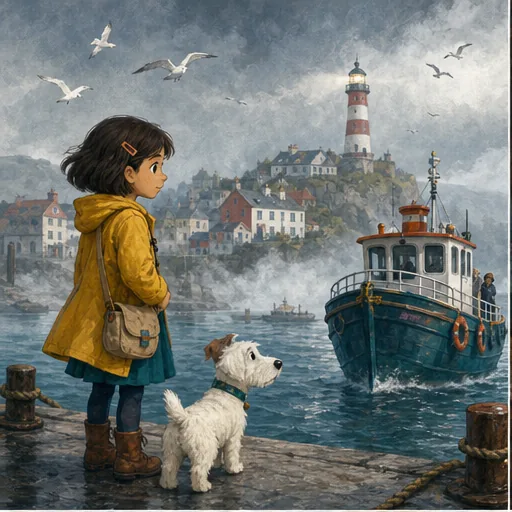
Lina and the Lantern Library
Independent author · watercolor · 12 pages · Published sample
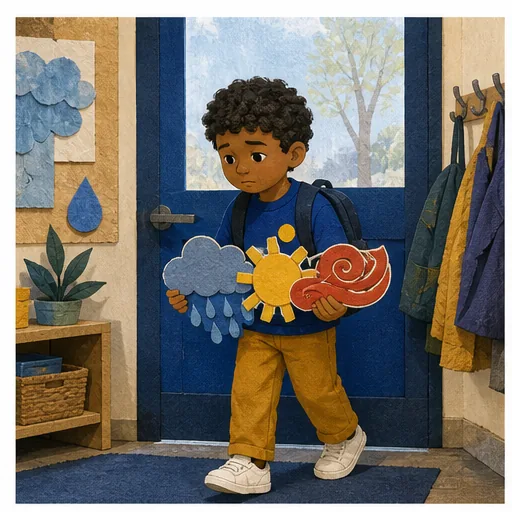
The Feelings Weather Report
Teacher resource · paper cut · 8 pages · Published sample
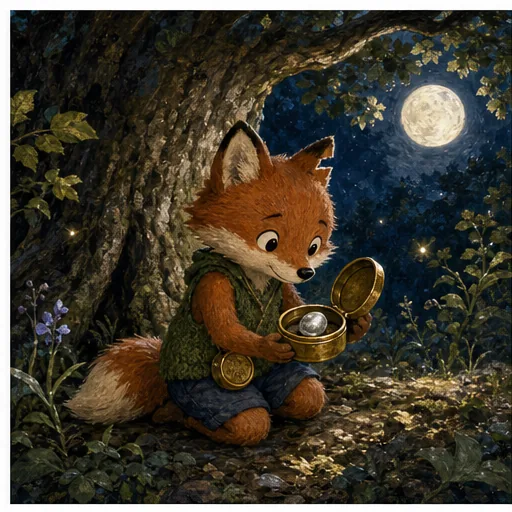
Otto’s Moonseed
Author portfolio · painted fantasy · 16 pages · Published sample
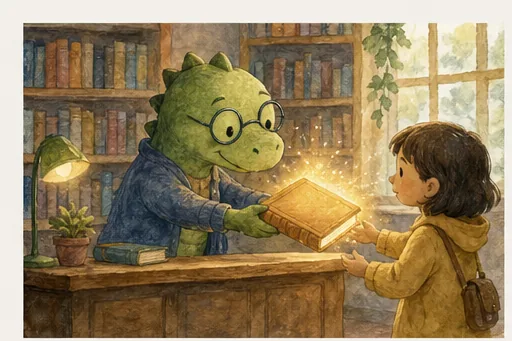
The Map Under Our Feet
Geography lesson · collage · 10 pages · Concept brief
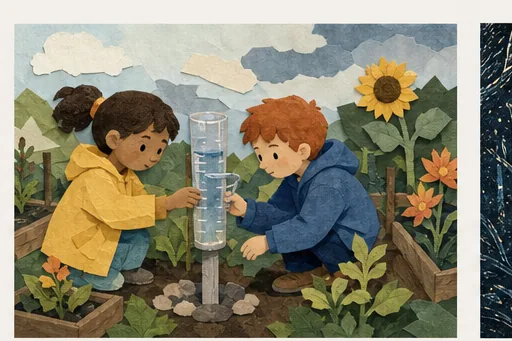
Pippa Builds a Pause
Family creator · gouache · 8 pages · Concept brief
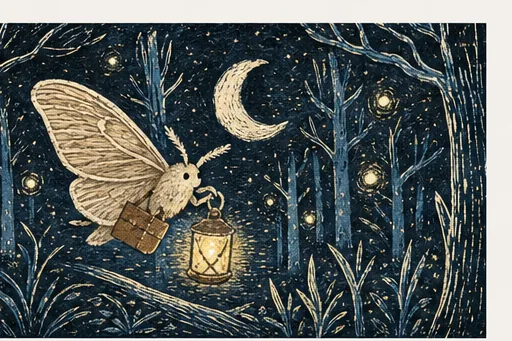
The Tiny Orchestra
Music curriculum · ink · 12 pages · Concept brief
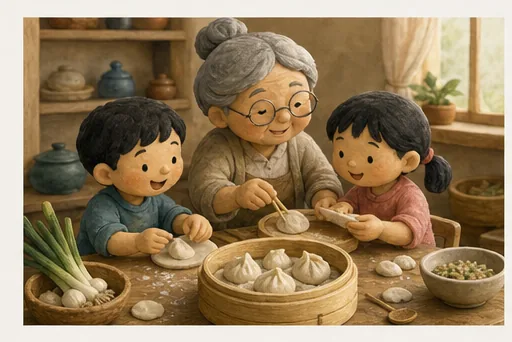
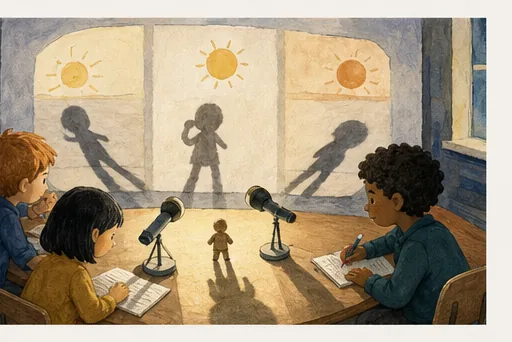
Why Shadows Stretch
Science explainer · pastel · 8 pages · Concept brief
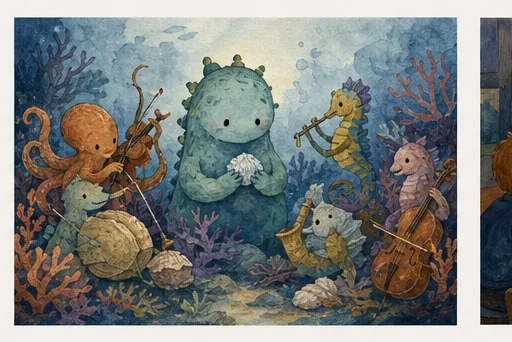
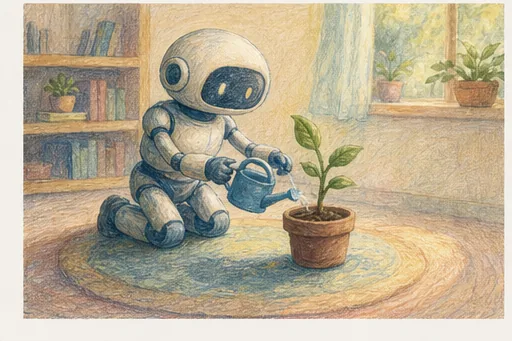
Moss Mail
Chapter opener · colored pencil · 12 pages · Concept brief
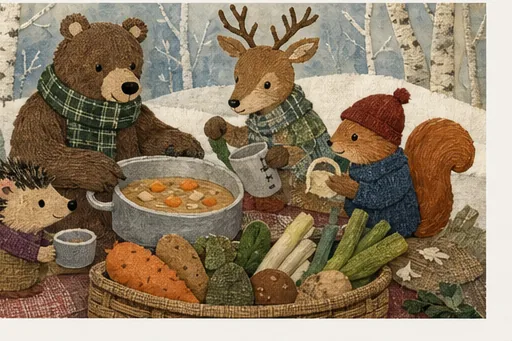
The Fraction Picnic
Math story · paper craft · 8 pages · Concept brief
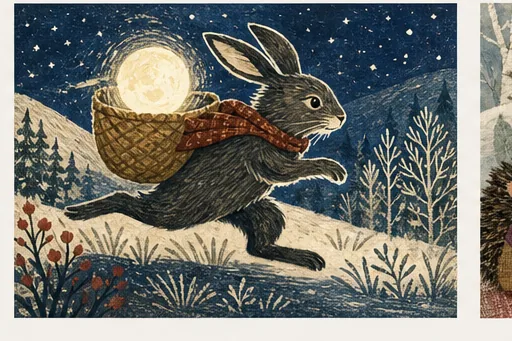
The Cloud Repair Shop
Independent author · linocut · 16 pages · Concept brief
River Words
Bilingual reader · watercolor · 10 pages · Concept brief
The Last Red Button
Maker story · retro print · 12 pages · Concept brief